Bedroom
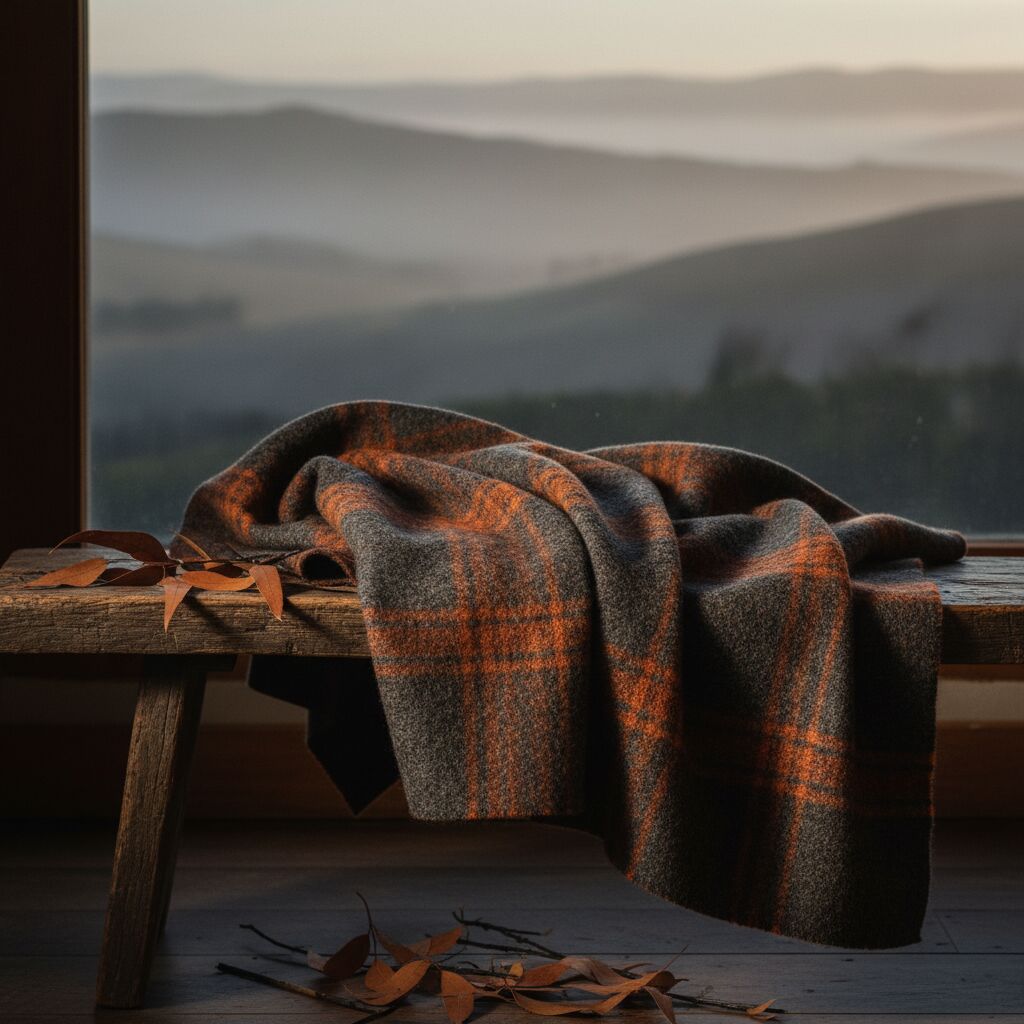
Highland Wool Blanket
Pure Australian wool, twill weave, generous double size.
$219
Small-batch · Daylesford, Victoria
A tight range of linen, ceramics and hardwood — made in small runs by makers we work with directly.
Shop the range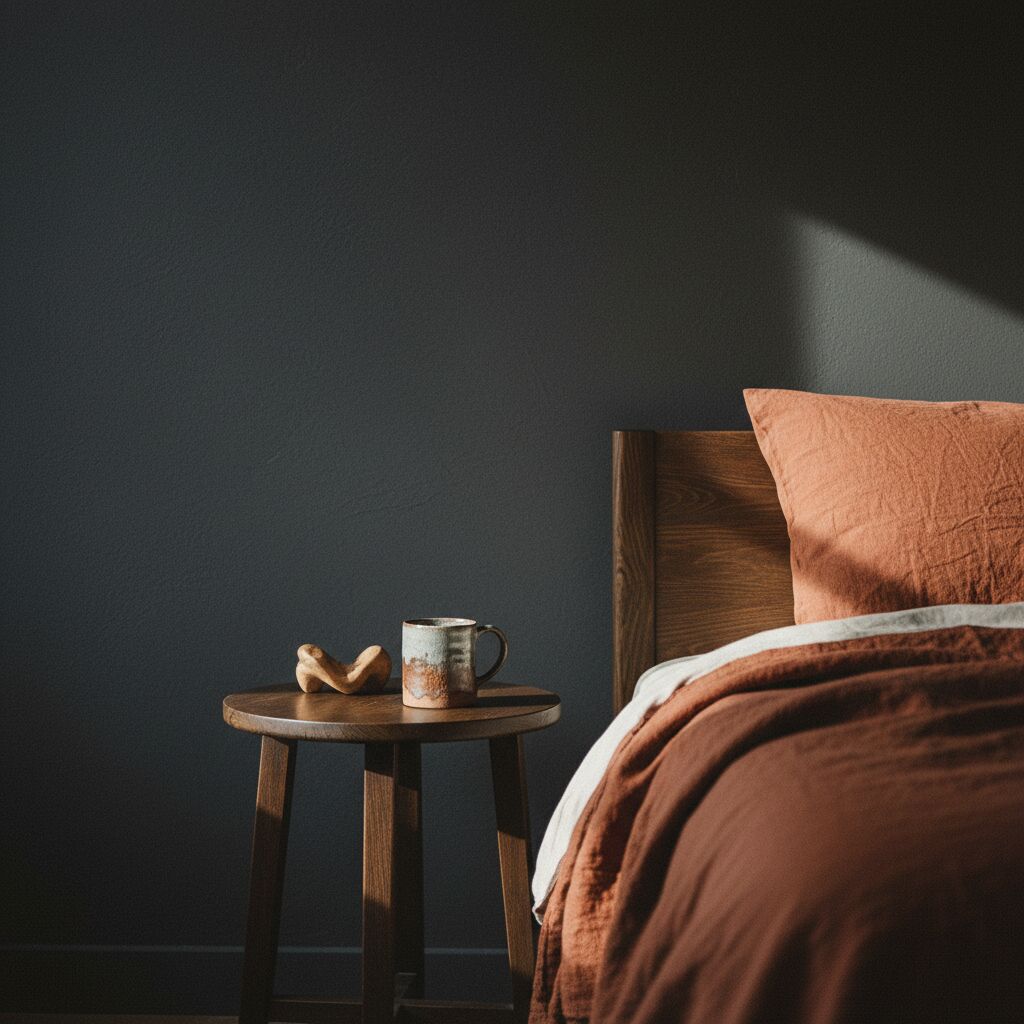
Six pieces. We add slowly, and only when something earns its place.
Pure Australian wool, twill weave, generous double size.
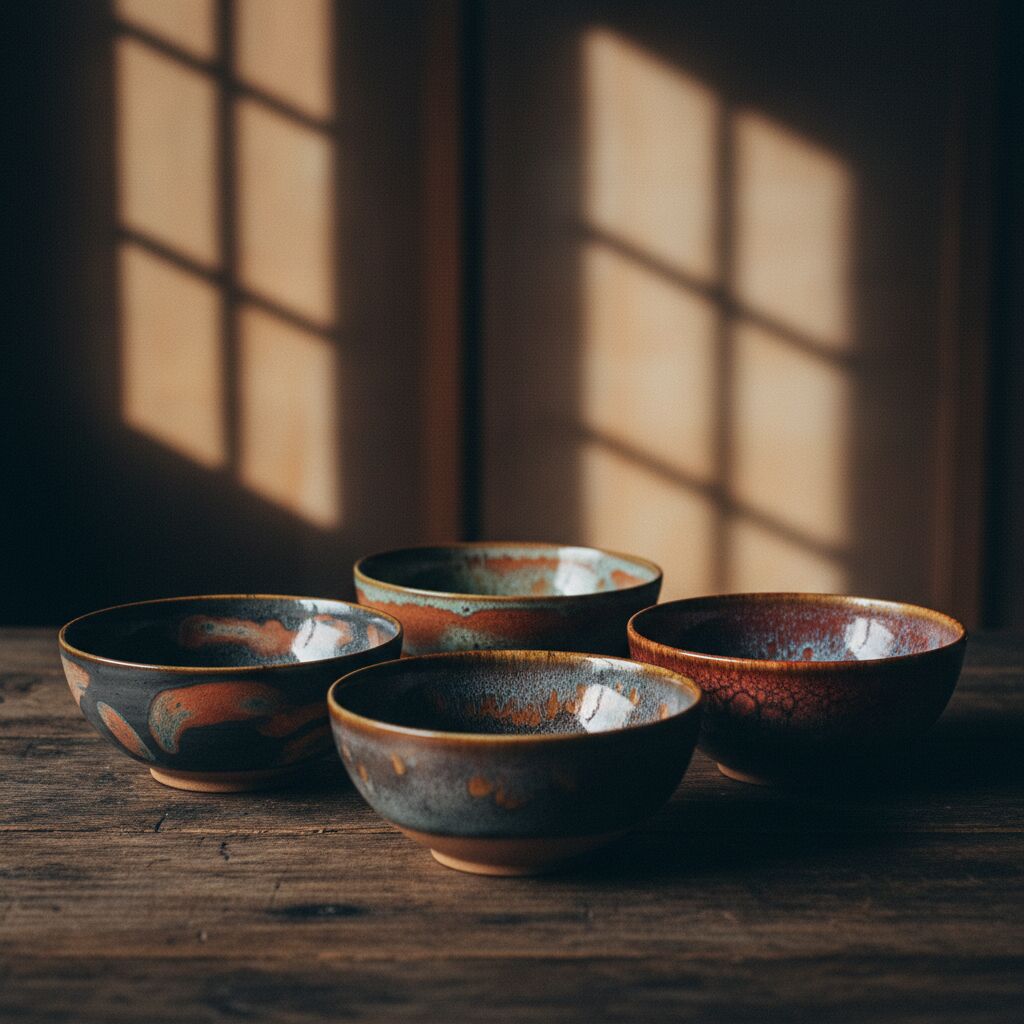
Four bowls, reactive glaze, no two the same.
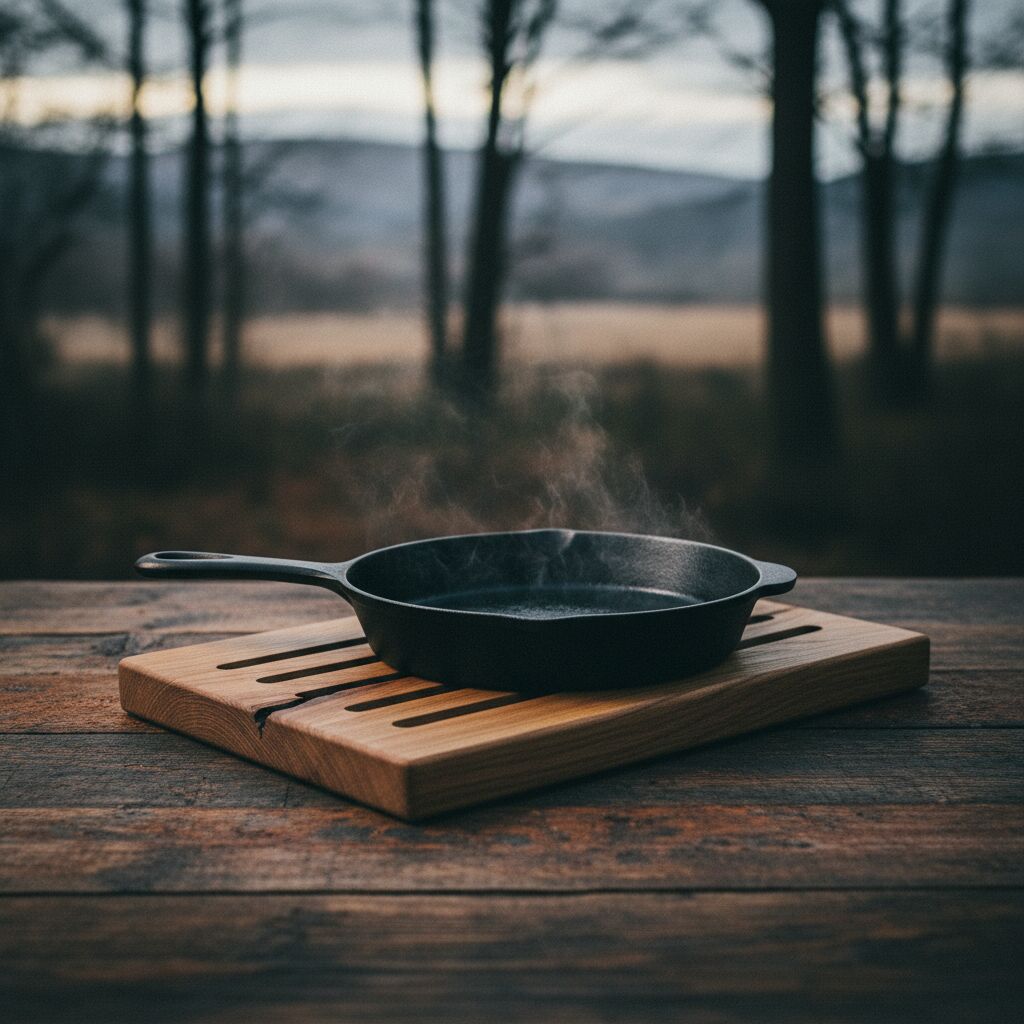
Solid oak, slotted, takes a hot cast-iron pan without complaint.
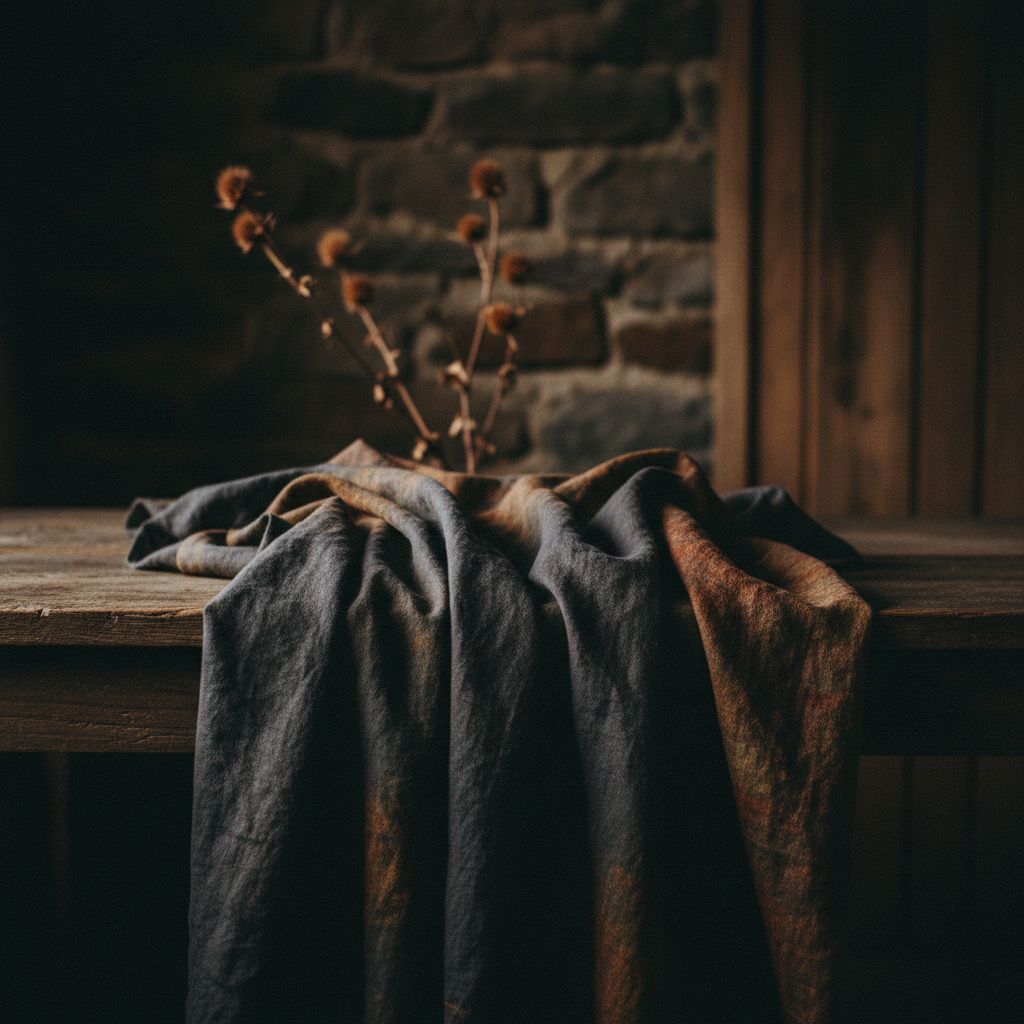
Thick French flax, washed soft, wide enough for two.
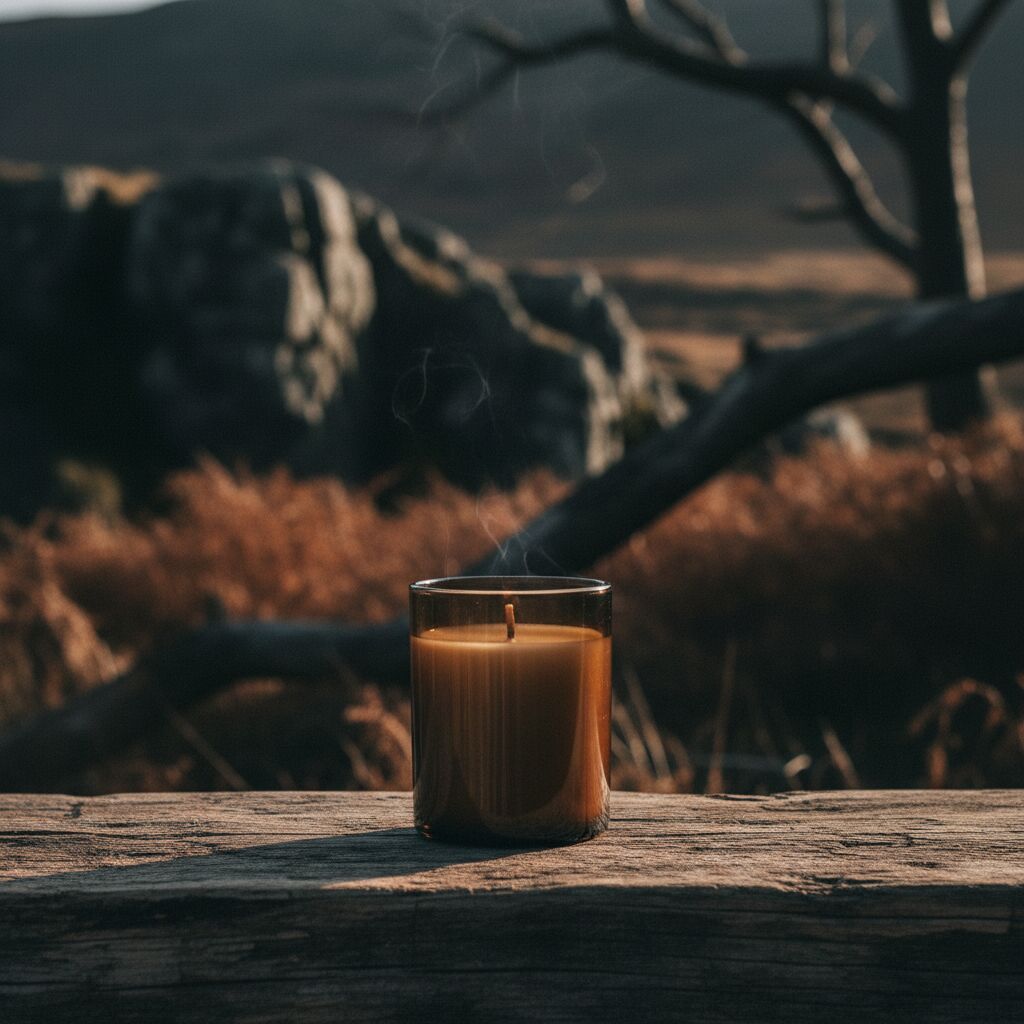
Soy wax, cedar and smoke, burns clean for fifty hours.
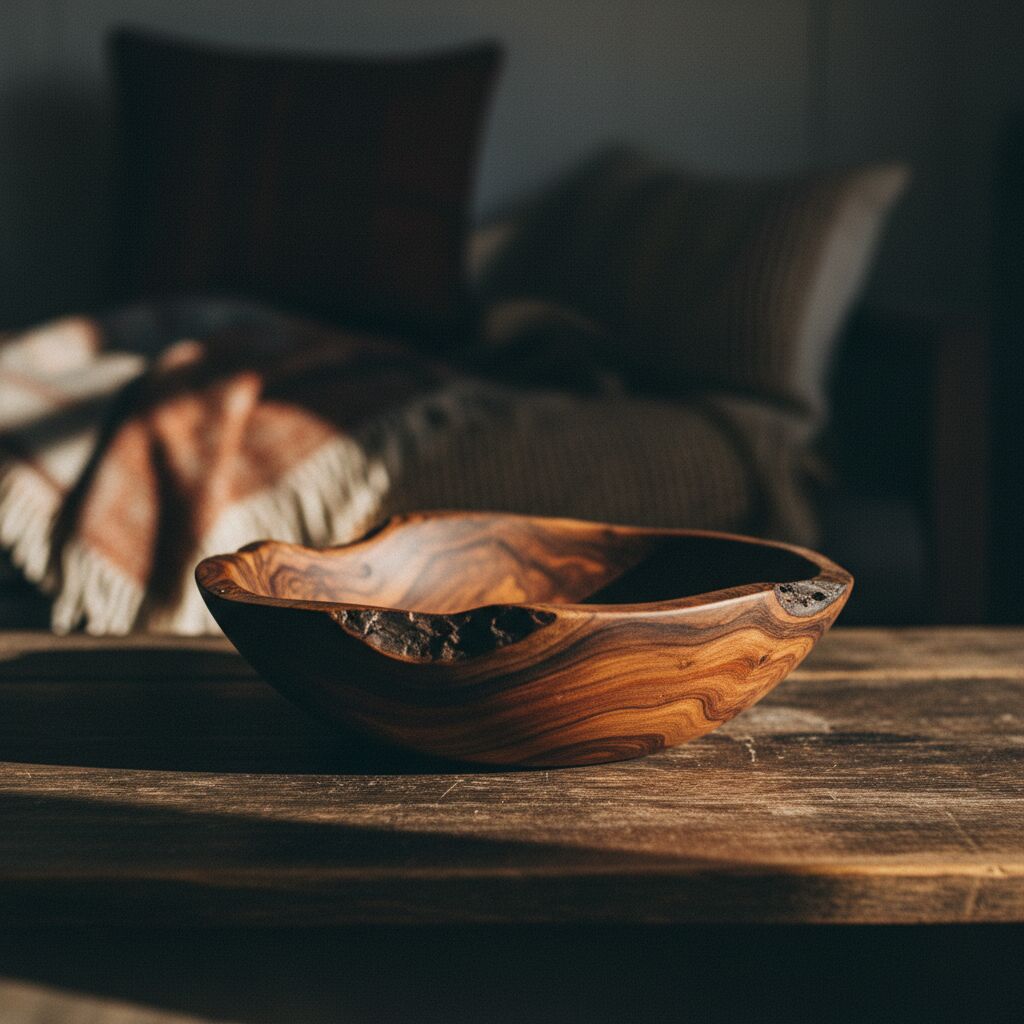
Hand-turned from a single piece of local elm.
Cinderholm came from a winter in the Victorian highlands and a house that was cold in all the wrong places.
We started with blankets, because that was the problem in front of us, and kept going from there. Every piece since has come from the same question — what would we actually want to still own in ten years?
We work in small runs and we're upfront about it. Some things are sold out for months. We'd rather that than fill the range with things we don't believe in.
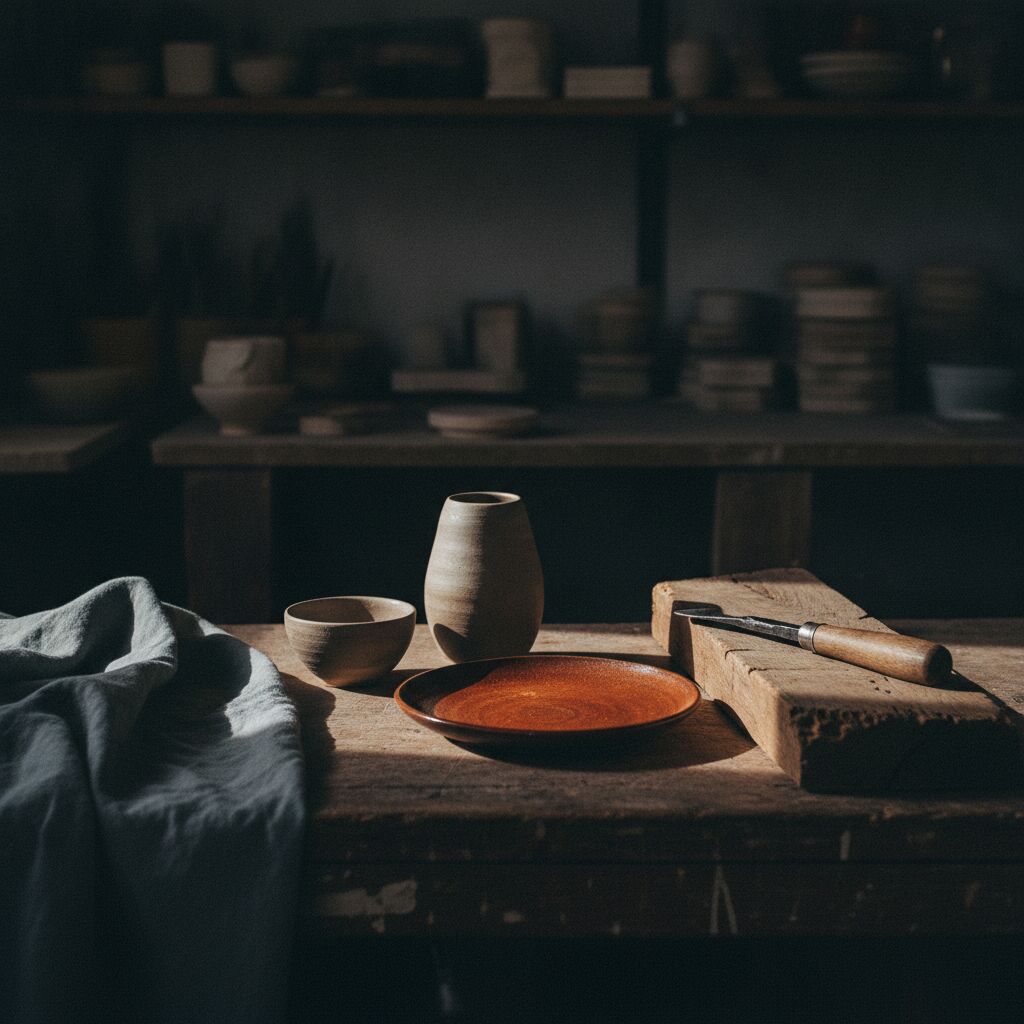
Most of this improves with use, provided you don't fight it.
Cold machine wash on a gentle cycle, line dry in shade. Skip fabric softener — it coats the fibre and stops it breathing. Expect it to soften for about twenty washes.
Dishwasher safe, though handwashing keeps the glaze brighter over years. Don't go fridge to oven; thermal shock cracks stoneware, not age.
Hand wash, dry standing up. Re-oil every few months with a food-safe oil. Never leave it sitting in water.
Air it more than you wash it. When it does need washing, wool cycle or cold hand wash, dry flat out of sun.
Most metropolitan orders arrive in 2–4 business days from Daylesford. Regional and remote addresses can take up to a week. Tracking is emailed as soon as it's attached.
Not at the moment. We post within Australia only.
Unused and unwashed, within 30 days, yes. If a piece fails in ordinary use we'll replace it regardless of how long you've had it.
Most of them. Where a piece is made overseas — the linen in particular — we say so on the product and we've visited the mill.
Usually, though small runs mean gaps of a few weeks. The maker sets the pace, not us.
Yes. Paper tape, cardboard and paper void fill — no plastic in the box.
Questions about an order, a piece, or how something's made — we read everything and reply within a business day.
Cinderholm Co · PO Box 240, Daylesford VIC 3460